
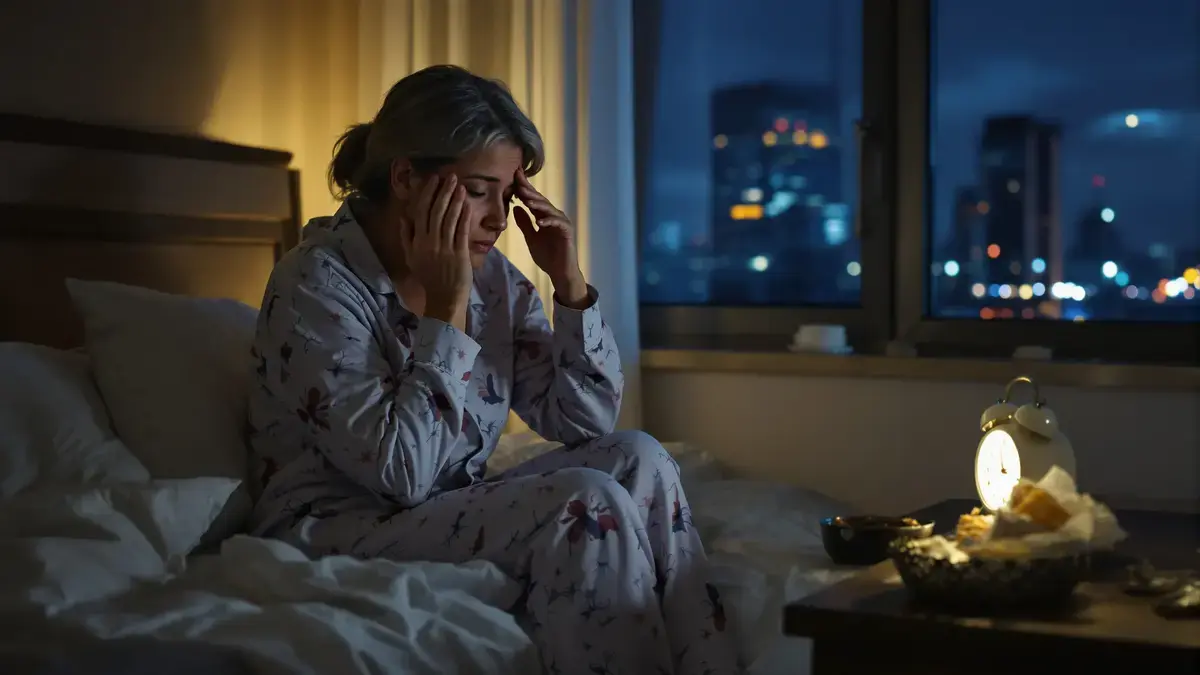

The numbers on the alarm clock glow softly, stubborn in the dark. Somewhere outside, the world is quiet, wrapping itself in the velvet hush before sunrise. For some, night is a refuge: time thickens, routines loosen, and responsibilities recede. But beneath these silent hours, another story unfolds—one whose impact reaches far beyond sleep itself, quietly shaping the health of the heart.
Night’s Rhythm, Day’s Demands
The city does not sleep, but people must. Those who linger late, the so-called night owls, move through the early morning as if crossing into a world that was not designed for them. While others settle in, refreshed by sleep, night owls rub tired eyes and chase minutes lost to the pull of late rhythms. The issue, however, is not only a matter of when the lights go out.
Researchers have observed that sleeping late comes with a notably higher risk of cardiovascular problems. The link appears blunt at first: late bedtime, worse heart health. Yet, the story glimmers with complications. Evidence highlights that the danger comes not from the darkness itself, but from a web of choices and pressures that rise after midnight. Late sleepers are 79% more likely to score poorly on cardiovascular health—measured not just by sleep, but by smoking, diet, weight, blood sugar, blood pressure, cholesterol, and movement.
The Shadow of Lifestyle Choices
Night owls adopt habits that quietly mold risk. Smoking—the leading culprit—threads through those late hours. Diets become patchier. Activity wanes. Deep, restorative sleep remains elusive, compromised by a world whose schedule rarely bends.
It’s a fragile loop: social schedules clash with personal clocks, carving out stress that deepens these habits. Chronic stress, in turn, aggravates every unhealthy factor—fueling a cycle that keeps both body and mind off-balance. For women, this pattern seems especially harsh, with cardiovascular risk almost doubling compared to men’s heightened but lesser risk. No clear reason has yet emerged for this difference, but the numbers persist.
Biology Out of Sync
Beneath lifestyle, another pattern emerges. The body's natural clock drifts with the stars, not the office. In night owls, hormones like melatonin and cortisol stagger into motion long after darkness falls. This misalignment nudges blood sugar upward, thickens cholesterol, and slowly lays down plaques in the arteries. Soon, what began as a simple preference for late hours swells into a deeper biological mismatch.
The persistent disconnect—with days structured for early risers, with alarm clocks interrupting precious sleep—produces what researchers call a “permanent jet lag.” As days slip by, night after night, a self-sustaining cycle of stress and biology takes hold. Even the chance for real, healing sleep becomes rare.
Clarity, Not Fatalism
The research speaks with caution. While the connection between late bedtimes and cardiovascular risk is clear, no one claims direct causation. The ties are strong—a web of behaviors, stress, and biology, all entangled—but not yet fully understood. Larger studies, ones that follow these threads further, will be needed.
For now, the quiet hours of night carry more than dreams or fatigue. They reflect the subtle ways life after dark shapes health—a mosaic built from choices, pressures, and the rhythms we inherit, knowingly or not.
In a world where the clock keeps steady time, the path from bedtime to heart health remains complex, winding quietly behind closed doors and shuttered windows. For those following night’s richer, more fragile tempo, every late hour sketches its own silent effect, lingering into the day.
