
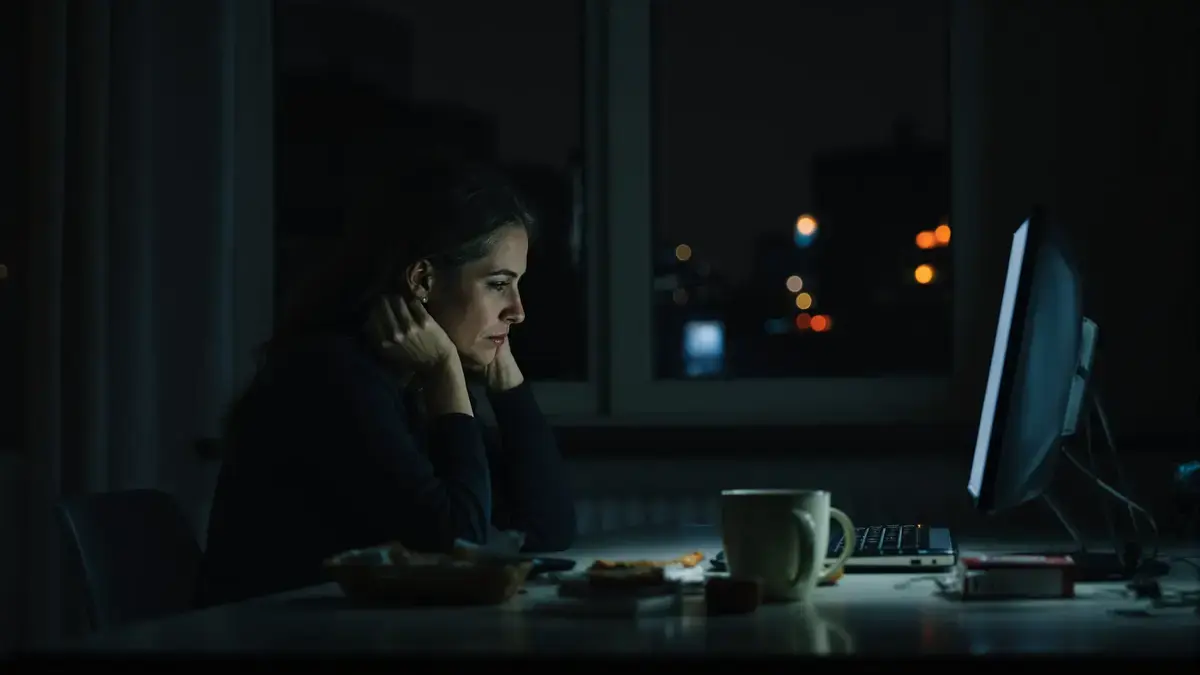

Dimly lit windows shine across the neighborhood as the clock nears 2 a.m., a handful of lights the only signs of life at this quiet hour. While many turn in early, a select few settle into nightly routines that stretch well past midnight. Yet behind these scattered, glowing rectangles, a silent statistic takes shape—one that may touch the heart, quite literally, of anyone who favors the small hours.
Windows That Glow in the Dark
A city at rest feels almost motionless in those final hours before dawn, but not every home follows this rhythm. For some, the hum of a television or the gentle tap of a keyboard marks the start of their favorite time. The world outside grows quieter, yet for these night owls, energy picks up. Their day doesn’t end at the customary hour. Instead, it lingers, stretching deeper into the night.
Among this group, researchers now believe, lie hidden risks. Being a night owl, especially falling asleep around 2 a.m., is more than a matter of taste. It marks a shift inside the body, one that brings with it a 16 percent higher risk of cardiovascular events compared to those who head to bed earlier. This subtle, daily habit carves out new lines in the story of health.
The Echoes of Routine
So much of life operates on habit. The gentle negotiation with an alarm clock, the search for a second cup of coffee, or the promise of time alone while the world sleeps. But each late night, it turns out, has consequences that don’t stay hidden. Over years of tracking more than 300,000 adults, researchers uncovered patterns: night owls as a group score lower for cardiovascular health. They’re 79 percent more likely to have poor overall cardiovascular health than those with earlier bedtimes.
The late hours blend with other behaviors. A midnight snack, one too many cigarettes, or a skipped walk in favor of extra screen time—these small decisions accumulate. Smoking especially stands out, accounting for three-quarters of the extra risk found in late sleepers. The result: higher blood pressure, worse cholesterol, shorter or more restless sleep, and added weight. It builds, slowly but surely.
More Than Just the Clock
It would be easy to point to bedtime as the only culprit, but the reality is more complex. The time you fall asleep is part of the picture, but changes in routine—habits picked up or dropped—matter just as much. The heart reacts not simply to the hour on the clock, but to what happens during the day and night: what people eat, how often they move, whether they smoke, the quality of rest they claim.
For some, the risks pile higher than for others. Women, in particular, face an even sharper gradient between early and late sleepers, data suggests. Yet experts note that risk is not destiny. Actions matter. Adjusting sleep schedules, aiming for regular rest, stepping away from cigarettes, and bringing small motions back into daily life all offer a margin for change.
The Quiet Margin for Change
The research is clear, but its conclusions resist drama. The risks are real, but they unfold in the quiet routines of home, in stretches of unsupervised nighttime and morning sleepiness. Late hours are not innately unhealthy, but the patterns that follow often are—and they can be altered. Chronotype may set a preference, but the rest is open to negotiation.
The ways people live—what they choose, sometimes out of habit, sometimes out of necessity—act as multipliers. There is space to nudge the odds, to recognize the pull of late nights and still adjust the balance with everyday decisions that soften those risks. Regularity, rest, and gentle self-observation do not make for sweeping headlines, but, over time, they shape what happens quietly, deep inside.
A city darkens each night, and some windows shine on. Those lights tell stories not just of another day ended late, but of how the pace and shape of everyday life can ripple through to the heart—sometimes in ways that years later become impossible to ignore.
