
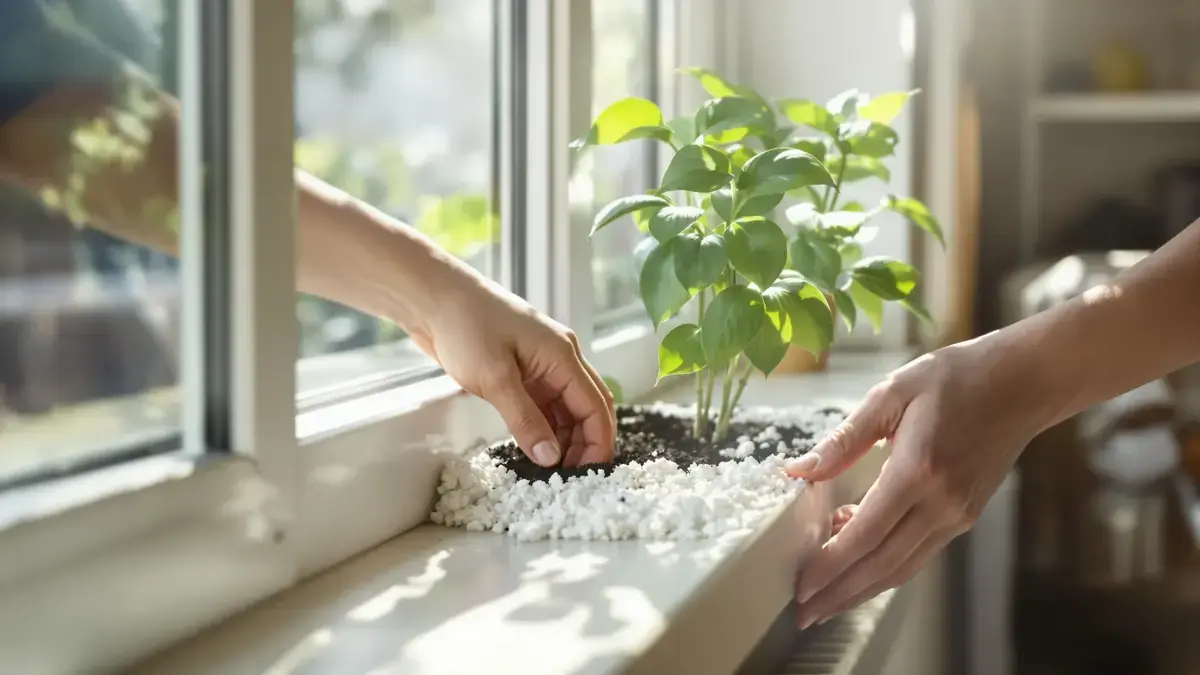

A pot sits quietly by the window, its leaves stretching toward the morning light, lush and reassuring. Yet at the base, a pale, powdery crust skirts the soil’s edge—a sight familiar, easy to ignore. The white layer gathers without warning, a surface shift that feels trivial, perhaps only cosmetic. But these faint marks signal more than a harmless quirk. Something in the roots’ world has changed, and for the attentive, the surface becomes a subtle messenger.
Patterns on the Surface
Push a fingertip into the soil: it is firm, not soggy. The plant itself looks content, maybe even thriving. But the white layer remains. At first glance, it could be dust, or some leftover fertilizer. Sometimes, the film appears as a grainy crust along the rim; other times, it comes as a soft, almost fluffy veil, especially after weeks of frequent watering. No matter its form, the presence is deliberate—not the product of chance.
A Hidden Journey of Water and Minerals
It often starts quietly, as daily watering draws minerals and salts up from below. Tap water, especially if hard, leaves its invisible traces. Over time, these minerals gather at the surface, riding up with the moisture that feeds the roots. As water evaporates, the dissolved minerals are left behind—a slow build-up, sometimes in the company of fertilizer that adds to the mix. The soil’s chemistry shifts, pH creeps away from balance, and the ease with which roots take up nutrients is gradually disturbed.
When Mold Moves In
Some mornings, the layer feels different: more like fuzz than sand. This is when mold finds its moment, encouraged by still air, unrelenting shade, or a schedule that soaks rather than satisfies the roots. The fungus settles in, at first harmless, but certain to spread if conditions continue. The white patches may smell faintly earthy. While long-standing houseplants might seem barely affected, sensitive seedlings and feathery roots can weaken. Beneath the pale threads, the soil clings to more moisture than it should, the balance between air and water tipping just enough to change things for the worse.
Signs of Hard Water
Elsewhere, the deposit is almost chalky, brittle to the touch. This is the trace of hard water—a sign of calcium carbonate, the same substance that rings a kettle left to dry. With time, as these residues collect, leaves take on a yellow cast, flower buds stall, and growth slows. Micronutrients—iron, magnesium, zinc—become less available, not because they’re missing, but because the soil has been subtly closed to them by these persistent coatings.
Reading and Responding
There’s a practical rhythm to tending the problem. Gentle scraping removes excess crust. Rinsing liberates trapped minerals. Letting water run right through, ensuring it drains well, helps flush out what does not belong. Switching to rainwater or carefully filtered tap water makes a real difference. Mold asks for less water, more brightness, some fresh air. Sometimes a dusting of cinnamon or horticultural charcoal helps rebalance the soil’s tiny ecosystems. And if white deposits keep returning, replacing the top layer of soil offers roots a fresh, cleaner start.
The Surface Never Lies
For all its subtlety, the pale layer acts as a kind of dashboard: quiet, early, and honest. It is rarely about aesthetics alone. A change at the surface nearly always signals a deeper shift—something in water, in drainage, or in the invisible life underground. Acting on these signals means not just wiping away a symptom, but gently restoring what roots and leaves need to do their silent work.
A healthy plant begins, so often, with attention to what the eye first sees and the hand first feels—a reminder that nature’s alerts rarely arrive without reason, least of all in the white dustings of a common houseplant.
