
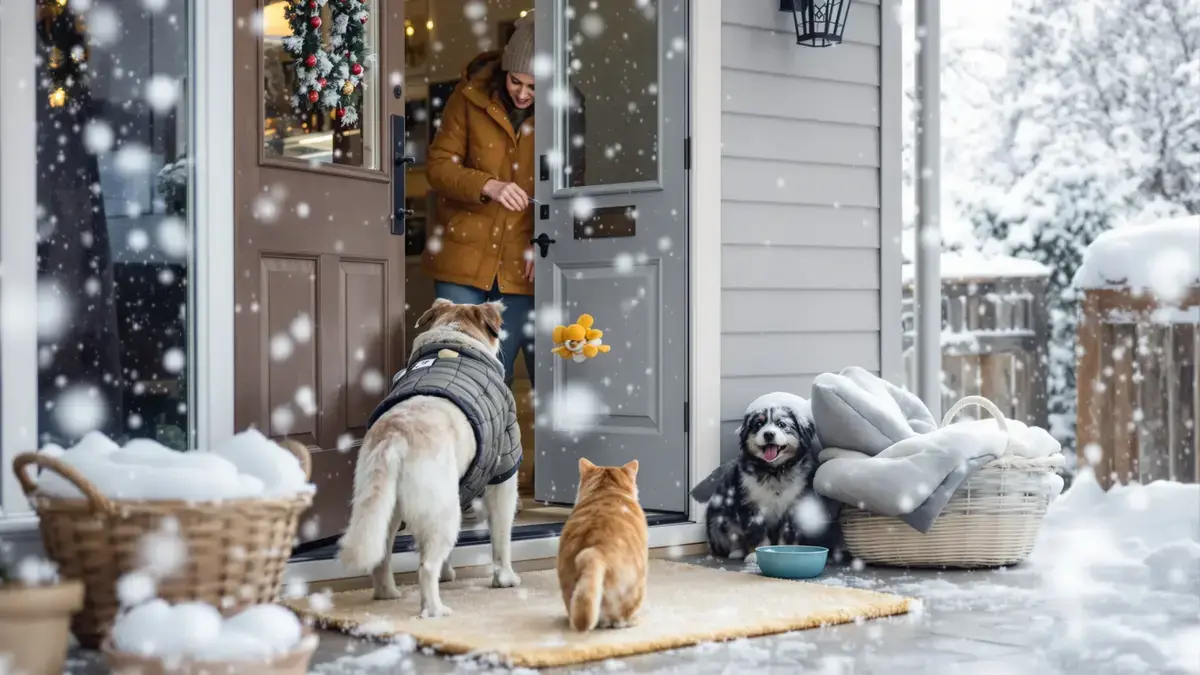

A dog waits near the back door, nose pressed to the window, as icy wind rattles the glass. Nearby, a cat curls on a mat, ears twitching at the sound of distant sleet. As temperatures drop and days shrink, the routines of caring for pets enter a new season. Winter demands a careful balance between comfort, health, and the little details that keep dogs and cats both safe and well.
Understanding Shelter and Warmth
A cold snap can turn a yard into a place of sharp edges and swirling gusts. For outdoor pets, protection starts with the right shelter. The key is insulation; walls thick enough to blunt the wind, a door or opening facing away from prevailing breezes, and just enough space inside for an animal to stretch but not so much that warmth escapes.
Within these simple enclosures, a basket or cushioned mat helps dogs retain heat. Cats, experts in slipping in and out, benefit from easy access—think of a cat flap that lets them find warmth without fuss. Preventing drafts is as crucial as soft bedding.
Winter Nutrition and Hydration
Mealtime changes when frost coats the ground. Active, outdoor animals burn more calories to keep their bodies warm. For these pets, meals richer in fat may be necessary to meet new energy needs. The food bowl becomes an important part of winter care—fill it with nutrition that anticipates the extra work of staying warm.
Water can quickly become a forgotten detail beneath a sheet of ice. Hydration remains vital, as the effort to stay warm demands more water. Dishes must be checked often; frozen bowls swapped for fresh ones a few times a day. A cold, clean drink matters as much now as in summer.
Clothing and Vulnerabilities
A flurry of snow is enough to make some dogs shiver while others plunge ahead undisturbed. Winter coats may help small, short-haired, or less cold-adapted dogs. The fit must be just right—enough to hold body heat, loose enough for full movement. Cats rarely tolerate clothing and are best given the means to find shelter instead.
Not all risks are about temperature alone. Dogs with short legs feel the chill from the ground more quickly than others. Even breeds known for their cold resistance have limits in wet or windy weather.
Winter Activities and Precautions
A walk on frosted grass, a snowshoe trek with a leashed companion—these activities draw many outdoors. Some dogs thrive on winter sports, joining their people in hiking, ski joëring, or high-altitude rambles. But slick paths and unstable terrain mean a greater risk of sprains, strains, or more serious injuries.
A brief warm-up walk of about fifteen minutes gets muscles ready. Stopping for too long in the cold can sap warmth quickly, so short pauses are safest. As with any activity, a gentle cool-down at the end helps prevent stiffness or discomfort.
Shared Adaptation for the Season
Humans adjust their habits as the season changes—layering coats, checking the forecast, taking care on icy sidewalks. Pets need the same watchful care. Their needs echo ours: shelter from the cold, food and water that keep pace with the weather, body heat preserved in clever ways.
A strong bond between owner and animal becomes especially clear as winter presses in. Observing, preparing, and adapting routines to the season can help ensure that even the frostiest months pass in good company and comfort.
Stepping into Winter with Care
Winter brings both challenge and quiet beauty for pets and their people. Being attentive to shelter, diet, safety, and shared routines helps make the cold season not just bearable, but quietly rewarding. The essentials may be simple, but they ask for steady attention as winds rise and dusk falls early.
