
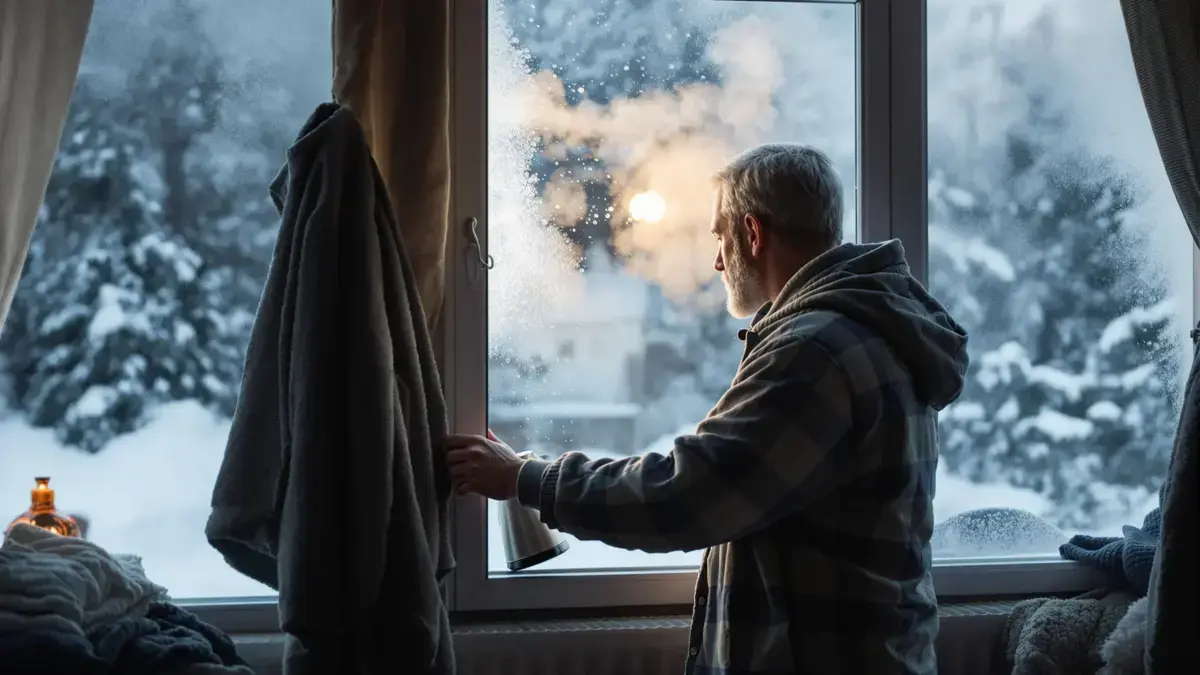

Steam curls against cold windowpanes as a kettle whistles in the kitchen. Outside, roofs glisten under a frost that refuses to melt. Many, still bundled in pajamas, move to throw open a window, trusting in an old habit to refresh their homes before the day begins. Yet this simple chore, done at the wrong hour, quietly drains warmth from every surface and pushes comfort further out of reach as winter presses in.
Morning Routines Meet Winter Reality
In homes everywhere, the ritual is nearly automatic: wake, stretch, open the window. The crispness that rushes in feels honest, bracing even, as if it clears not just the air but the remnants of sleep. During winter, though, this instinct collides with a colder logic. The world at 8 a.m. is at its chilliest, and inviting that air inside is like letting the cold move straight into the walls and floors.
Heaters, radiators, and vents respond quickly. Some flicker to life, some hum with greater urgency. The warmth built up overnight slips away, replaced by a chill that seeps into cushions and climbs along baseboards. Cold finds every crack, especially in rooms with older windows or patches where insulation weakens.
The True Cost of a Quick Airing
The first minutes seem ordinary, unremarkable. But as the hour unfolds, energy meters tick upward. The heating system strains to recover lost ground, often consuming far more power than it would to simply maintain steady warmth. Experts estimate that reheating a space after it’s cooled can demand up to 30% more energy—a silent penalty tucked into the next utility bill.
Even after windows are closed, the cold lingers in the dense mass of stone, wood, or tile. The house becomes slower to reheat. In poorly insulated rooms, this effect multiplies, and what should have been a fresh start to the day turns into hours of discomfort. Moisture enters with the cold, sometimes clinging to sills and corners, quietly threatening the health of paint and plaster over time.
Timing Makes the Difference
There is no escaping the fact that fresh air is essential, especially in seasons where doors and casements remain sealed. Without regular exchange, humidity rises, inviting mold and dull odors, and making the air harder to breathe. The task is not the problem; it’s all about when and how.
Late morning brings a subtle shift. By 11 a.m., outdoor air has often warmed enough to renew a home’s atmosphere without carrying in the night’s lingering frost. Experts advise airing rooms for only five to ten minutes, isolating each space by shutting doors, and turning down the heat while windows are ajar. A purposeful airing—short, timed, and contained—lets the house breathe without robbing it of comfort.
Attention to detail matters. Doors closed, window seals checked, heating adjusted—the small changes add up. The difference is clear in both the quiet stability of the room’s air and in monthly expenses that remain manageable.
Finding Balance in Winter’s Demands
With the right habits, the morning air outside no longer tempts with its sharpness. Instead, windows open later, briefly, as part of a rhythm tuned to both health and warmth. The result isn’t dramatic. Rooms simply stay welcoming, air feels lighter, and the sting of winter bills softens.
It’s a subtle choreography, shaped by the season’s demands and the slow accumulation of good advice. In the daily effort to keep homes both comfortable and healthy, careful timing quietly proves itself—an invisible difference with tangible effects, woven into winter’s routines.
