
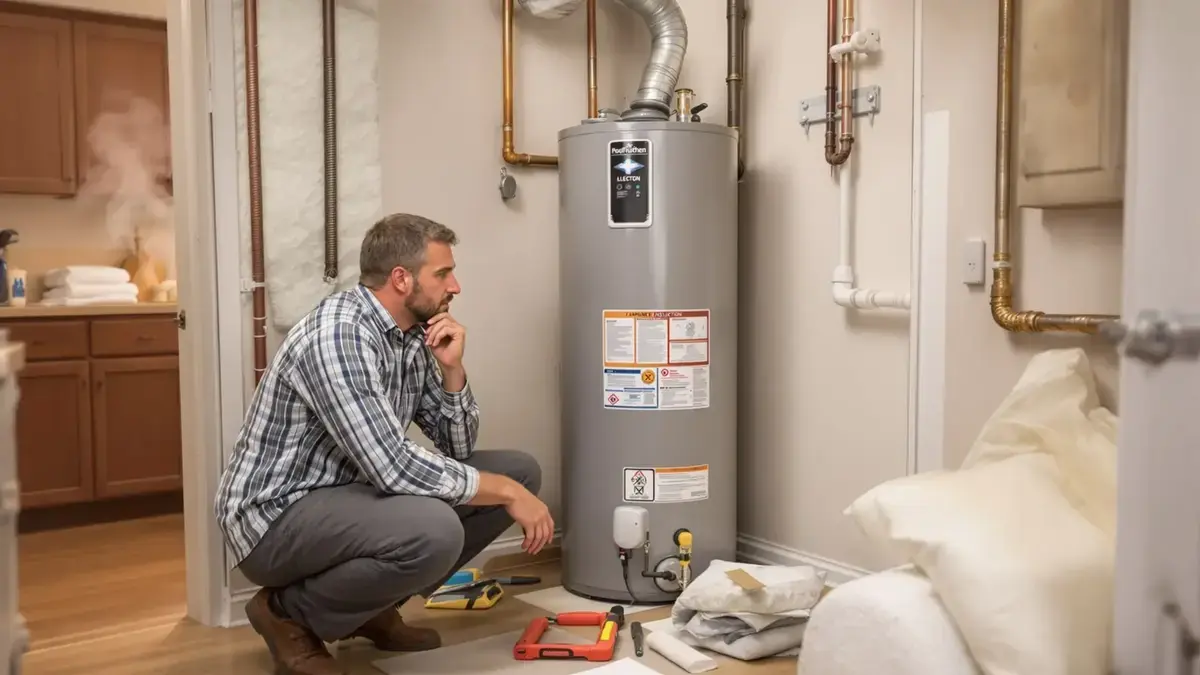

Steam drifts softly from the bathroom as the tap runs, filling up the kitchen with a faint warmth. In another corner of the home, behind a plastic casing or sometimes hidden in a cupboard, a water heater hums quietly. The comfort it delivers each day rarely prompts questions about what sits beneath its metallic skin. Yet, for those who look at energy bills, a quiet debate hovers: does wrapping this silent tank in extra insulation always make sense?
Familiar Heat, Invisible Loss
Open a hot tap and there it is—instant warmth at your command. Most households count on their water heaters for such simple comforts, often unaware of how effectively these machines hold their heat. Underneath the outer shell, foam insulation does much of the work, keeping the water close to its set temperature. Manufacturers design these systems to mimic a giant thermos, protecting the precious heat within.
The logic seems simple: more insulation equals less wasted energy. Sometimes, it works. Adding a layer, whether it’s mineral wool or purpose-made kits from the hardware store, can bolster the water heater’s defences against cold air—especially when the unit sits in a chilly basement or a draughty garage. In these cases, small changes sometimes appear in the numbers on your meter.
When More Is Not Always Better
But water heaters aren’t all born the same, nor do they age the same way. Newer models often leave the factory already well-armoured, and certain locations or setups further reduce heat loss. For some households, adding more insulation changes little—at worst, it means unnecessary expense with little to show in savings. Obstructing airflow or trapping moisture can even backfire, causing corrosion or hidden wear.
Experts urge a modest pause. Efficiency isn’t just about piling on another layer. The investment in materials and effort, even when kits cost little, only finds value if the original insulation is lacking or old. The neat appearance of a cupboard or a noise-dampened shell is a comfort, but not every improvement translates to real-world gains.
Essential Details Hide in Plain Sight
Taxing as it may sound, the question runs deeper than one tank in one house. How warm is the room? Do the hot water pipes snake through cold spaces, bleeding heat before reaching the faucet? Each twist, each meter of exposed pipe, plays into the wider puzzle of energy lost or saved. Wrapping those pipes—sometimes a forgotten step—can quietly reduce waste day after day.
Practicality nudges in, too. Some people try makeshift solutions for insulation, like using a survival blanket or recycled materials. Others prefer tidy, ready-made kits. Both work, in theory, provided the installation avoids blocking safety features or ventilation. Professional help brings peace of mind, though not always necessity. Even for those ready to upgrade, the reality is rarely sweeping or dramatic; it’s the quiet hum of better choices, tailored to the quirks of each home.
A Measured Approach Remains Sensible
Every house, every water heater, tells a different story. Improved insulation does not guarantee great leaps in efficiency—the returns depend on age, existing build, and how hot water weaves through the living space. Calculating cost against savings is rarely a simple task, and, for some, leaving the factory-made shield in place is just enough.
Trimming energy use remains worthwhile. But rushing to wrap a water heater, without a moment’s thought for what lies beneath or what’s truly needed, reveals the limits of easy fixes. As households keep seeking discreet, practical ways to save power, the lesson is unshowy: each comfort has its balance, and every improvement finds its place in rhythm with ordinary life.
