
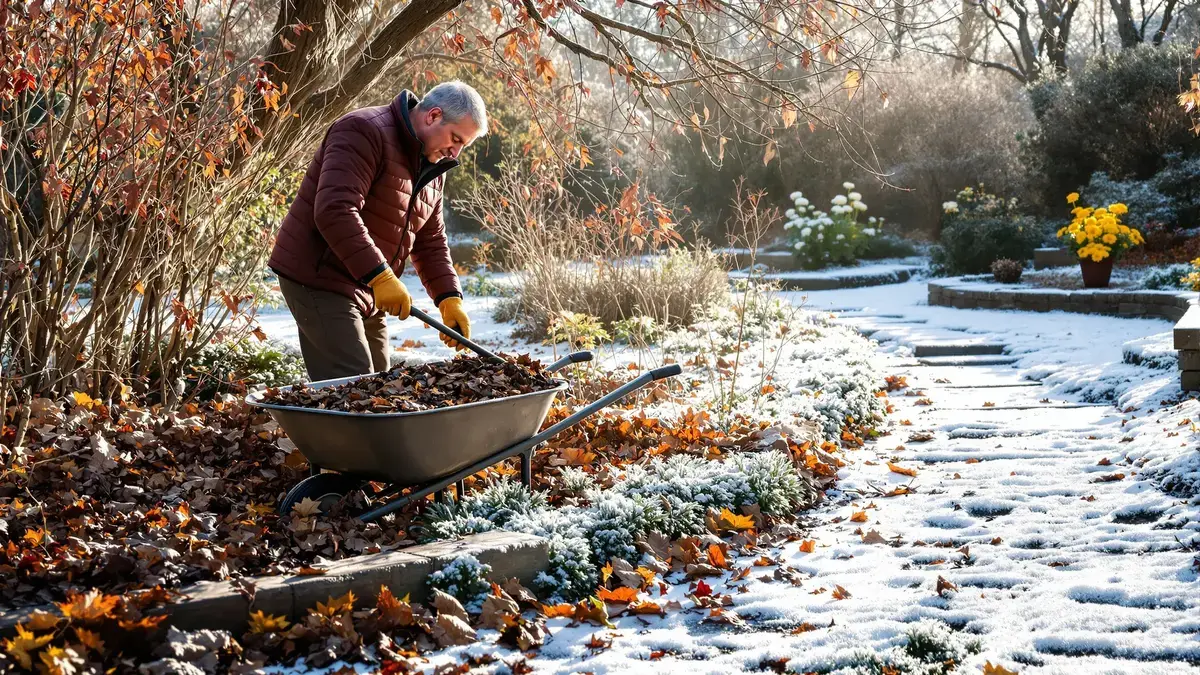

Frost covers the garden path, crunching underfoot as the morning light stretches a little further each day. The quiet scene hides a silent urgency—winter is not simply waiting but quietly preparing the ground for weeks to come. What happens in these months, between icy soil and lengthening days, shapes how vibrant or sparse your spring garden will be.
Spotting What’s Unseen: The Truth Behind a Dormant Garden
At first glance, the winter garden feels lifeless. Borders look empty, soil sits compacted, and remnants of summer wither. But there is motion beneath the surface. With each cold sunrise, daylight increases, nudging roots and microbes into activity.
This is when small interventions can change everything come spring. Missed tasks risk weaker growth and fewer blooms, but a little attention goes far.
The First Winter Steps: Clearing, Testing, Enriching
Bare areas are easier to spot now, free from summer’s distractions. Removing dead leaves, spent stalks, and deep-rooted weeds takes on new importance. It helps prevent disease and removes hiding places for pests hoping to survive the chill.
Once clear, the soil is ready for improvement. Spreading mature compost or well-rotted leaf mold gently nourishes and loosens winter-hardened earth. Covering it with a thin mulch steadies temperature swings and shelters the organisms that keep soil alive.
Winter’s pause is ideal for soil testing. Simple kits reveal pH and key nutrient numbers, facts that usually stay hidden. Adjusting soil with lime, sulfur, or natural additives according to these results ensures a richer growing bed when spring calls.
Managing Water and Air: Drainage and Paths
Wet, muddy patches may linger after rain or snowmelt. Addressing these now—by adding gravel or reshaping beds—improves aeration for roots once growth resumes. Installing or repairing permeable paths gives each footstep a firmer, drier landing and protects your groundwork from compaction.
Early Plant Choices: Colour and Coverage
While much still rests, the ground is rarely too frozen to plant some hardy species. Flowers like Hellebores, which brave snow, and Pulmonaria, which light up shady corners, can go in now from pots. Snip away faded Hellebore leaves so new blooms stand out cleanly.
For lasting impact in sun or part-shade, groundcovers—Aubrieta, Basket-of-Gold, mossy Saxifrage—form tight mats that block emerging weeds and stabilize soil. Regularly pick off dead blooms, redirecting each plant’s winter energy to root and leaf instead of seed.
Planning and Sowing Ahead Indoors
Winter’s slower pace invites planning. Reviewing garden layout, considering crop rotations, and mapping future beds make spring chores smoother. A gardening journal holds last year’s frost dates and lists what did— or didn’t—thrive.
Early seed sowing can begin indoors. Seedlings started in trays near bright windows slowly adapt to the outdoors if introduced carefully by stages. By the time frost retreats, they’re ready for planting out, ahead of the rush.
Pruning and Protecting: Shaping Growth and Shielding Life
Tree and shrub branches reveal their true shapes once the leaves fall away. Now is the time for selective pruning—take out only dead, damaged, or crossing branches, always when air is above freezing. This opens space for better air and sunlight when fresh shoots arrive.
Vulnerable plants need cover. A thick mulch at their base or a wrap of gardening fleece can make a real difference during sudden freezes. For pots, moving them near shelter—by a wall or inside a shed—can shield against biting wind.
The Investment of Winter Work
Every task done in the chill months builds reserves for the spring ahead. When the last frost fades, gardens that received winter care are simply better prepared—soil is more fertile, plants sturdier, structure more robust. Even just walking the borders, seeing what needs attention, is a step toward healthier growth.
In the end, winter’s muted garden is never truly asleep; it is being shaped by each careful, unnoticed gesture—readying itself for what’s next.
