
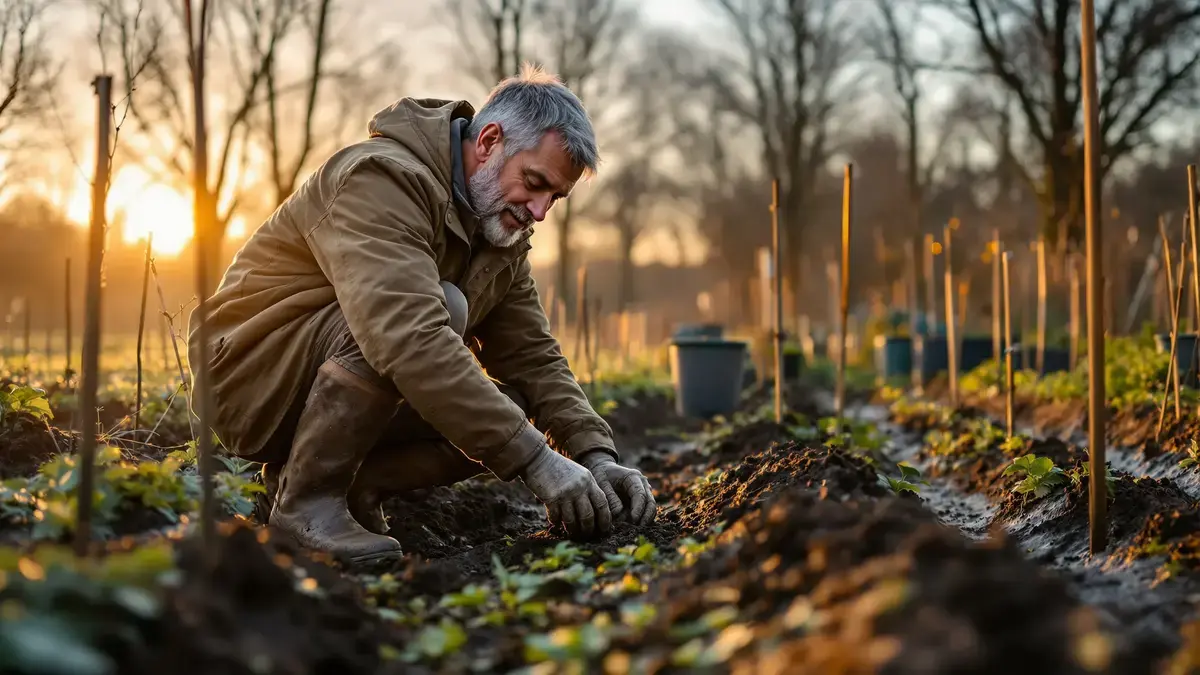

A low sun settles behind bare branches. The earth is damp, stubbornly cold. It doesn’t look like much is happening in the garden at this time of year, yet a certain anticipation hangs in the air—an itch to begin, even as most hands hesitate. The border between winter’s hold and spring’s early promise passes quietly here, but, for those in the know, February’s days are precious. Missing them can nudge the harvest far from reach.
First signs of movement beneath the surface
A muddy path cuts across the garden, boots leaving faint, deliberate prints. The ground feels heavy underfoot, though not frozen. There’s little above to suggest life—no shoots, no green haze—only the quiet conviction that something important starts now. For those who reach for their seed packs while others wait, February holds the power to change the rhythm of the growing year.
The secret advantage of early sowing
Most refrain, worried the cold will doom their efforts. But those who know the land—and watch it year after year—see things differently. Early planting is not folly; it is strategy. Some plants want exactly this: to root while the air still stings and the sun sits low. Three stand out for their readiness. Broad beans, early peas, and spinach accept cold as an invitation, not a threat. They behave differently from the rest—strong, resilient, eager—stretching ahead as the weeks pass, gaining time others will not recover.
Broad beans: quiet strength in cold soil
Broad beans are the first to face the season. Their thick seeds, soaked overnight until swollen, slip into the earth by late February. Rows lie 40—sometimes 50—centimeters apart, beans settled 4 to 8 centimeters deep, each with its own space. Fingers press soil firm but not tight; the chill does not scare them. Stout plants emerge and soon ask for modest support—stakes, netting—so they do not collapse when winds come or stems grow heavy. A sharp pinch at the top when plants reach a meter tall nudges out side shoots and sends pests searching elsewhere. Wait fourteen, perhaps sixteen weeks, and pods hang fat and ready by late May, early for a crop most think belongs to summer.
Early peas: sweetness found in sheltered corners
A patch protected from bracing winds suits early peas. Soil is worked, crumbly and not waterlogged, a shallow trench pressed just 3 to 4 centimeters down. Seeds go in at brisk intervals—every 5 centimeters, with a row gap of 20 or 30 centimeters. As shoots grab skyward, they climb netting or canes, green lines tracing the garden’s waking. For those wary of birds or hungry mice, indoor sowing—seeds started in small, biodegradable pots and set out once sturdy—offers relief and better odds. Come June, their pods split to reveal a first taste of real summer, weeks before the main crowd.
Spinach: fast leaves, endless returns
Spinach waits for little warmth. Where winters are mild, its seeds can be pressed into the earth straightaway, shallow at just a couple of centimeters, with lines spaced a spread hand apart. In harsher places, a cloche or fleece drapes over the bed, holding off frost. As seedlings rise, they are spared every 10 or 15 centimeters, letting each plant expand. The trick is in the harvest—outer leaves picked often, never stripped bare. The plant responds by pouring out more. Its reward is quick: a salad’s worth in mere weeks, and more to follow without fuss.
The architecture of an early garden
It hardly takes much. Two rows of broad beans, one row of peas, a band of spinach along the edge. Together, they wake the whole plot. These are not labored beds packed with effort, but quiet gestures—small routines that set a pace for all else. In climates mirroring France and the UK, sowing before the end of February draws the finish line forward, to late spring, sometimes early June. The soil, still cool and dark, proves itself generous.
As February turns, the season leans forward
Gardens often appear to sleep in winter, but real change comes quietly, by choice and timing. Those three crops, humble and determined, draw the calendar forward by weeks, sometimes a month. The satisfaction is quiet, measured not just in the produce pulled from the ground, but in a keen sense of having acted when it counted. In the end, the early garden is less about the crops themselves and more about what they permit—the assurance that another season has begun, right on cue, perhaps even a little ahead.
