A cleaning contract that sets clear standards and responsibilities
If cleaning quality varies or the scope is unclear, it is difficult to know what you are paying for or how to address missed work. Set out the required tasks, service standards, responsibilities and review process before signing.
By Daniel Foster · · 4 min read
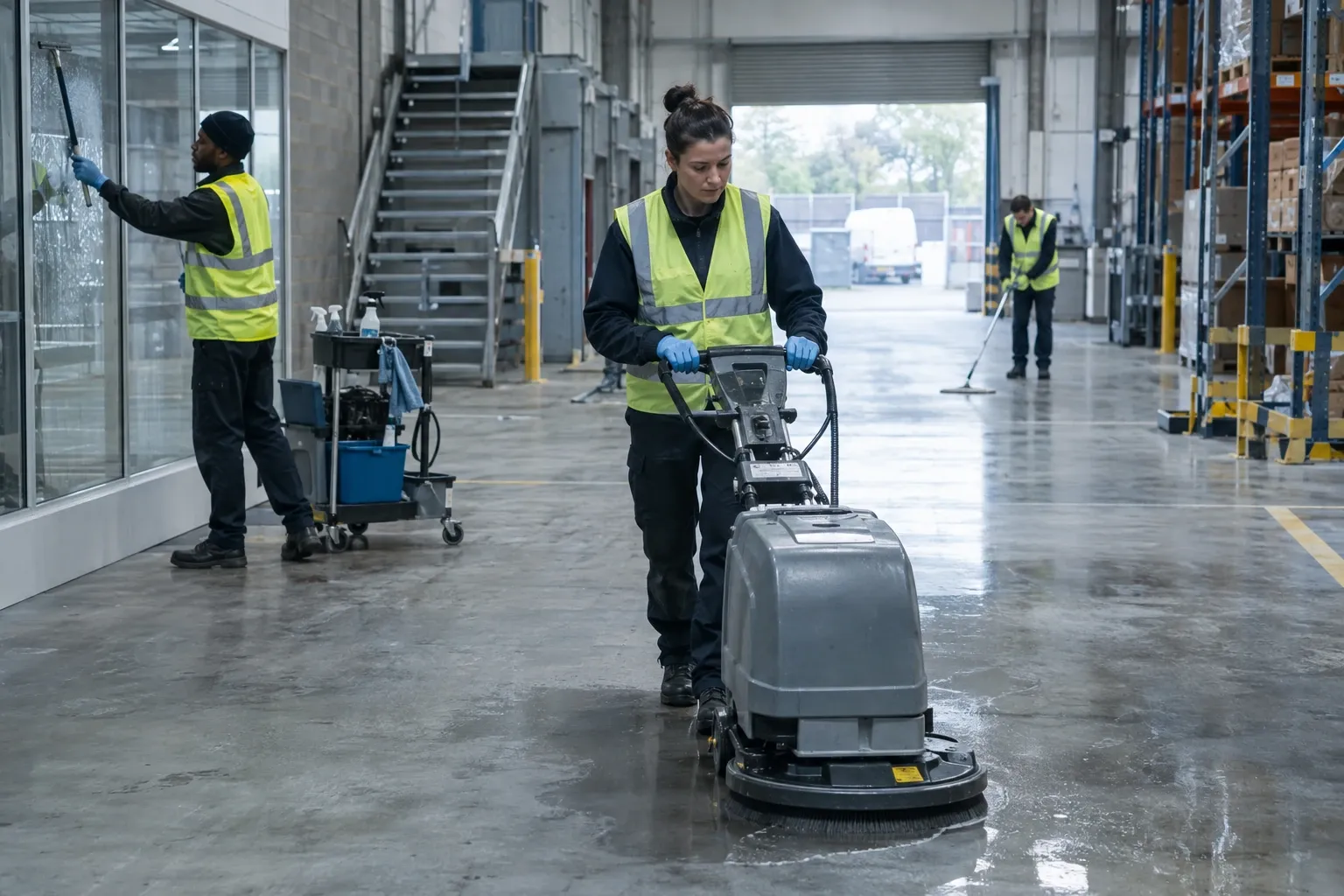
A useful cleaning contract turns everyday expectations into an agreed service: which areas are cleaned, how often, to what standard, and what happens when plans change. Start by recording how your premises are used, including busy periods, restricted areas and occasional tasks such as deep cleaning. Then compare providers against the same specification, rather than judging proposals by price alone. The written agreement should also make access, safety arrangements, payment and ending the contract clear.
What exactly should the cleaner do?
Walk the premises and list each area, surface and task. Specify routine work separately from periodic or reactive work: for example, daily washroom cleaning, scheduled floor treatment, or an agreed response to a spill. For each task, record its frequency, preferred time, access restrictions and any surfaces or equipment that need special treatment.
Define the expected outcome in observable terms. “Clean the kitchen” is hard to assess; “wipe worktops, clean sinks and empty marked bins” is clearer. Government guidance for schools, which is specific to that setting, recommends setting out cleaning frequency and distinguishing routine from periodic and emergency cleaning. The same distinction can help you build a practical specification for other premises, too, as set out in the government’s cleaning-services guidance.
State what is excluded, such as external windows, high-level work, confidential waste or cleaning after building work. If you may need extra work, set out how it will be requested, priced and authorised before it begins.
Which terms should you compare between providers?
Ask each provider to price the same written scope, then compare what the price includes. Check whether it covers labour, supervision, equipment, materials, consumables, travel and out-of-hours visits. Note any assumptions about the number of visits or areas, and whether extra or missed work changes the charge.
The agreement should identify both parties by their legal names and record the service, price, payment dates, duration and termination arrangements. The Small Business Commissioner advises businesses to put service details, quantity or volume, duration, payment and how the contract ends in writing. Its contract guidance for small businesses is general rather than cleaning-specific, but these basics help prevent different expectations from being treated as agreed terms.
Also compare how each provider proposes to cover staff absence, urgent requests and changes to your opening hours. Ask who your day-to-day contact is, how complaints are handled, and how quickly the provider will acknowledge and resolve them. A low price is less useful if the proposed service does not cover the times or tasks your business needs.
How should the contract handle safety and access?
Agree opening and closing procedures, key or alarm arrangements, sign-in requirements and any areas that cleaners must not enter. Tell the provider about site-specific hazards, such as busy walkways, fragile surfaces, machinery or times when visitors are present. Decide how the cleaner will report damage, leaks, blocked access and other issues noticed during work.
Cleaning can create slip risks, especially if floors are left wet or equipment leads cross walkways. The Health and Safety Executive advises assessing these risks and taking reasonable precautions; its cleaning-industry guidance on slips and trips notes that barriers or restricting access can help prevent people walking onto wet floors. Agree when and how cleaning will take place, what barriers or signs are required, and who is responsible for making the area safe before it is reopened.
If hazardous substances are used, clarify who assesses the risks, communicates the relevant controls and ensures products are suitable for the job. HSE guidance explains that exposure can occur during cleaning and that a COSHH assessment focuses on risks from hazardous substances in the workplace. Include a clear process for sharing product and safety information, rather than assuming the contractor’s routine arrangements automatically cover your site.
How can you put the agreement into practice?
Before the start date, confirm named contacts for both sides and arrange a site handover. Walk through the specification with the supervisor, point out restricted areas and agree how staff can raise a problem. Provide the access information and site rules the cleaner needs, and ask the provider to explain how it will brief its staff on the agreed work.
Use a simple record for missed tasks, complaints, damage and requests for additional work. Agree who checks each report, what a satisfactory fix looks like and when it should be completed. Keep changes to the scope or price in writing, including who authorised them. For wider outsourced services such as cleaning, payroll or HR, the business services guide covers practical considerations for choosing and managing providers.
How do you check whether the service is working?
Review performance against the written specification, not a vague impression. You might inspect agreed areas, check that scheduled tasks were completed and review reported issues with the provider. Choose a review rhythm that suits your premises and the service, and record actions and owners after each meeting.
If standards are falling short, identify the specific task, location and date, then give the provider a reasonable opportunity to correct it under the contract’s agreed process. Look for recurring causes: an unrealistic schedule, unclear instructions, changes in building use or insufficient access. If the service changes, revise the scope and price together. A useful contract makes those adjustments visible and gives both sides a clear way to assess whether the cleaning is meeting the business’s needs.
Frequently asked questions
How long should a commercial cleaning contract last?
Choose a term that gives both sides time to establish the service while leaving a workable route to review or end it. Consider the scale of mobilisation, any equipment or staffing commitments, and how quickly you could change provider if performance is persistently poor. State the initial term, any extension options, notice periods and the process for ending the agreement early.
Should cleaning supplies be included in the contract price?
Either arrangement can work, provided the contract says who supplies, stores and replenishes products, equipment and consumables. If the contractor supplies them, ask what is included in the price and how substitutions are agreed. If your business supplies them, define where they will be stored and who checks stock. Account for specialist products separately from routine cleaning materials.
Who is responsible for safety during contract cleaning?
Your business and the contractor should agree how relevant risks will be assessed and controlled, while each remains responsible for its own legal duties. Clarify who provides site induction, access to restricted areas, chemical information, equipment and warning barriers, and how hazards or incidents are reported. HSE guidance highlights risks such as wet floors and hazardous substances, so cover controls in the site arrangements as well as the contract.
In this section Business Services