If building work at your premises is defective or a contractor has not delivered what was agreed, there may not be a general building ombudsman to take the complaint to. The right route depends on who did the work, what the dispute concerns and whether the complaint is personal or business-related.
Construction
How do you plan, procure and manage building and construction work as a business client in the UK?
5 articles
Latest in this section
The section guide
Plan building work that protects your premises and budget
By Daniel Foster · Updated on
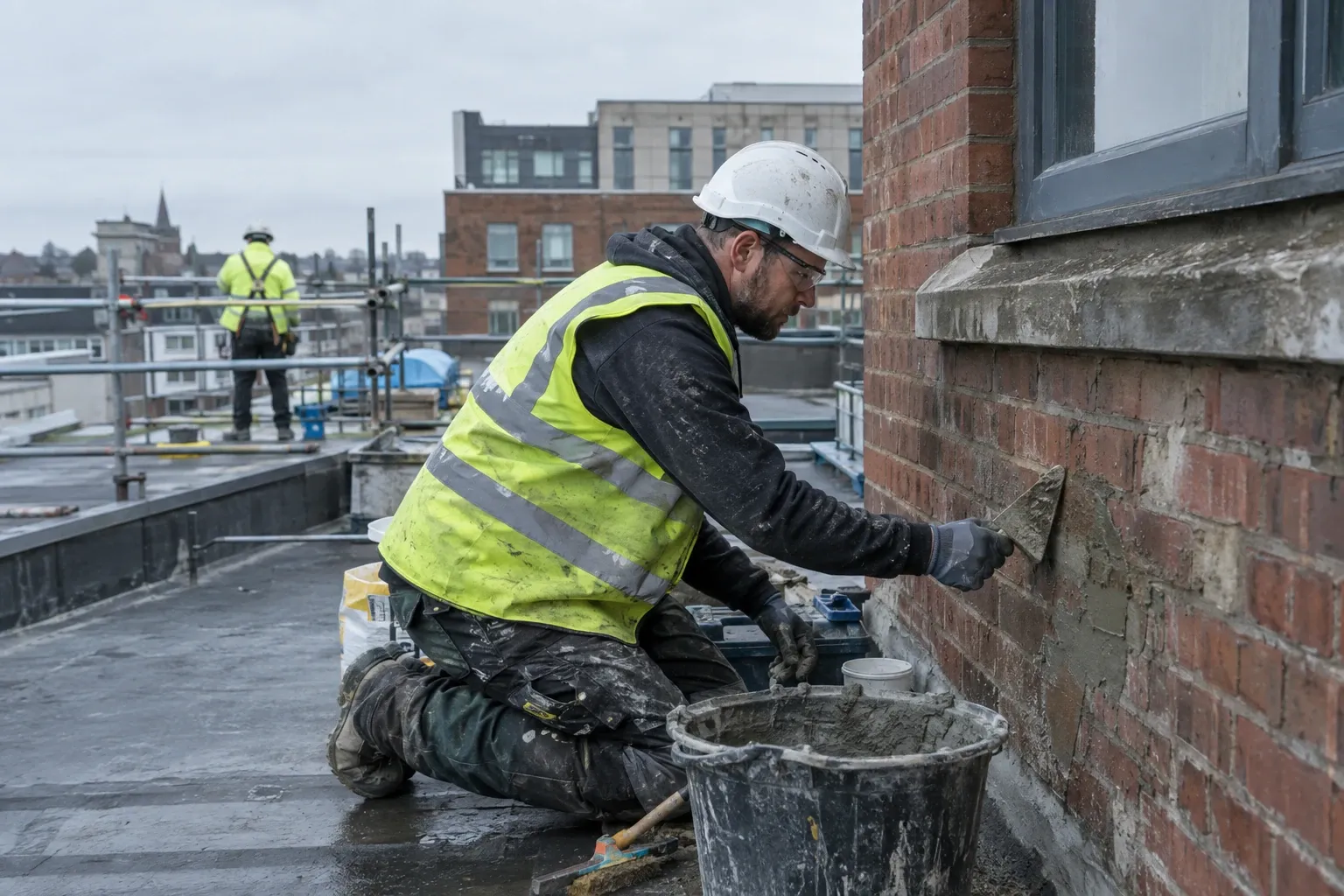
When a leak, damaged fabric or recurring defect affects your premises, you need to decide what must happen now, what can be planned and who should do the work. A clear scope helps you compare proposals and keep disruption under control. The right process also depends on the work involved: construction health and safety duties may apply, and some alterations need building regulations approval. Start by recording the problem, then agree responsibilities, access, timing and evidence of completion.
What needs repairing, and how urgent is it?
Begin with the observed defect rather than a preferred solution. Record where it is, when it appears, whether it is getting worse and which operations, staff or visitors it affects. Photographs, maintenance records and a brief site inspection can help a contractor distinguish a local repair from a symptom of a wider problem.
Separate immediate controls from permanent work. If the defect creates a safety risk or is allowing water into the building, restrict access or protect the affected area while you arrange a competent assessment. Then define the outcome you need: for example, stopping water entry, restoring a surface or replacing a failed component. For roof issues, consider both the immediate repair and how to reduce repeat problems through planned roof inspections.
What should you put in the work specification?
Give each prospective contractor the same information so their proposals can be compared. Include the location and extent of the defect, known materials, operating hours, access constraints, occupied areas, site rules and any relevant drawings, surveys or previous repair records. State what must remain in service and what disruption is acceptable.
Ask bidders to explain their proposed method, assumptions, exclusions, materials, programme and how they will protect the building and its users. If the cause is uncertain, request that investigation and remedial work be priced or described separately. That makes it easier to compare like with like and to decide whether further inspection is needed before committing to a larger repair. A commercial building repair plan should distinguish urgent work from improvements that can be scheduled.
How do you compare contractors and proposals?
Look beyond the headline price. Check whether each proposal covers the same work, access equipment, making good, waste removal, protection, testing and handover information. Ask who will supervise the work, which trades will attend and how changes or unforeseen defects will be handled. Check relevant experience for the building type and repair, and ask for evidence of appropriate insurance and safety arrangements.
For roof work, compare the specified repair method and materials, not just the stated outcome; a commercial roof repair proposal should make clear what is included and what could trigger extra work. Review payment milestones against deliverables. If the contract uses retention, make sure the amount, release conditions and timing are written down rather than left to assumption. Retention can affect cash flow and completion discussions, so understand how retention is set out in construction contracts before you sign.
What duties and approvals should you check before work starts?
As a business commissioning construction work, you are generally a commercial client under CDM 2015. The Health and Safety Executive explains that commercial clients must make suitable arrangements for managing the project, provide relevant pre-construction information and allow sufficient time and resources. Where more than one contractor is involved, appoint a principal designer and principal contractor, and check that the required project arrangements are in place before work begins, as set out in the HSE’s guidance for commercial clients.
Check whether the proposed work needs building regulations approval or another consent. The process varies across the UK; GOV.UK’s guidance on building regulations approval in England explains that you can contact a building control body to check requirements and apply where necessary. Do not treat a contractor’s estimate as confirmation that approval is unnecessary. Identify who will submit any application, provide supporting information and arrange inspections, and record that responsibility in writing.
How can you manage the job and verify completion?
Before site work starts, confirm the scope, start conditions, working hours, access, welfare arrangements, protection measures, contact for day-to-day decisions and process for approving variations. Share relevant information about the premises, including known hazards and restrictions. Plan how the work will coexist with staff, customers, deliveries and other contractors, and agree how any unexpected defect will be reported before additional work is carried out.
During the job, keep a simple record of instructions, progress, photographs, changes and decisions. Compare progress with the agreed programme and ask for written explanations of delays or cost changes. On completion, inspect the work against the specification, list any outstanding items and agree when they will be resolved. Collect the relevant completion records, guarantees, certificates or maintenance information, and update your building records.
If a disagreement arises, use the complaint route in your contract and keep correspondence factual and dated. Establish whether a proposed independent complaints scheme actually covers the business, contractor and type of work involved; the term “ombudsman” does not by itself establish jurisdiction. Check the scheme’s remit and process before relying on it, including when assessing building complaint routes.
Frequently asked questions
Do CDM 2015 duties apply to small repair jobs?
CDM 2015 applies to commercial clients commissioning construction work as part of a business, and HSE says the client duties apply whatever the project size. The arrangements should be proportionate to the work and its risks. For a project involving more than one contractor, the client must appoint a principal designer and principal contractor; clarify who is carrying out each role before work begins.
Do building repairs need building regulations approval?
It depends on the type and scope of the work, the building and the rules in the relevant UK nation. In England, GOV.UK advises contacting a building control body to check whether the work is covered and how to apply. Ask your designer or contractor to identify any approval requirements, but confirm them with the relevant building control body before work starts.
What should a building repair contract include?
Set out the agreed scope, materials or performance requirements, price basis, programme, access arrangements, site protection, waste handling and how changes will be approved. Record payment stages and any retention clearly, including when retained sums become payable. Agree what evidence you expect at handover, such as inspection records, certificates or product information relevant to the work.
What can I do if a building contractor dispute is unresolved?
First, document the issue and raise it with the contractor in writing, referring to the agreed scope and contract terms. Ask for a clear response and proposed remedy, and keep records of site visits, photographs and costs. Check whether your contract specifies a complaint or dispute process. The appropriate next step depends on the parties, contract and work; do not assume a particular ombudsman can hear every commercial building complaint.