Solar panel maintenance services and the checks your business needs
A fall in generation, a warning light or visible roof damage can leave you unsure whether your solar PV system needs cleaning, repair or a full service. Know which checks to request, how to compare providers and what evidence to keep.
By Daniel Foster · · 6 min read
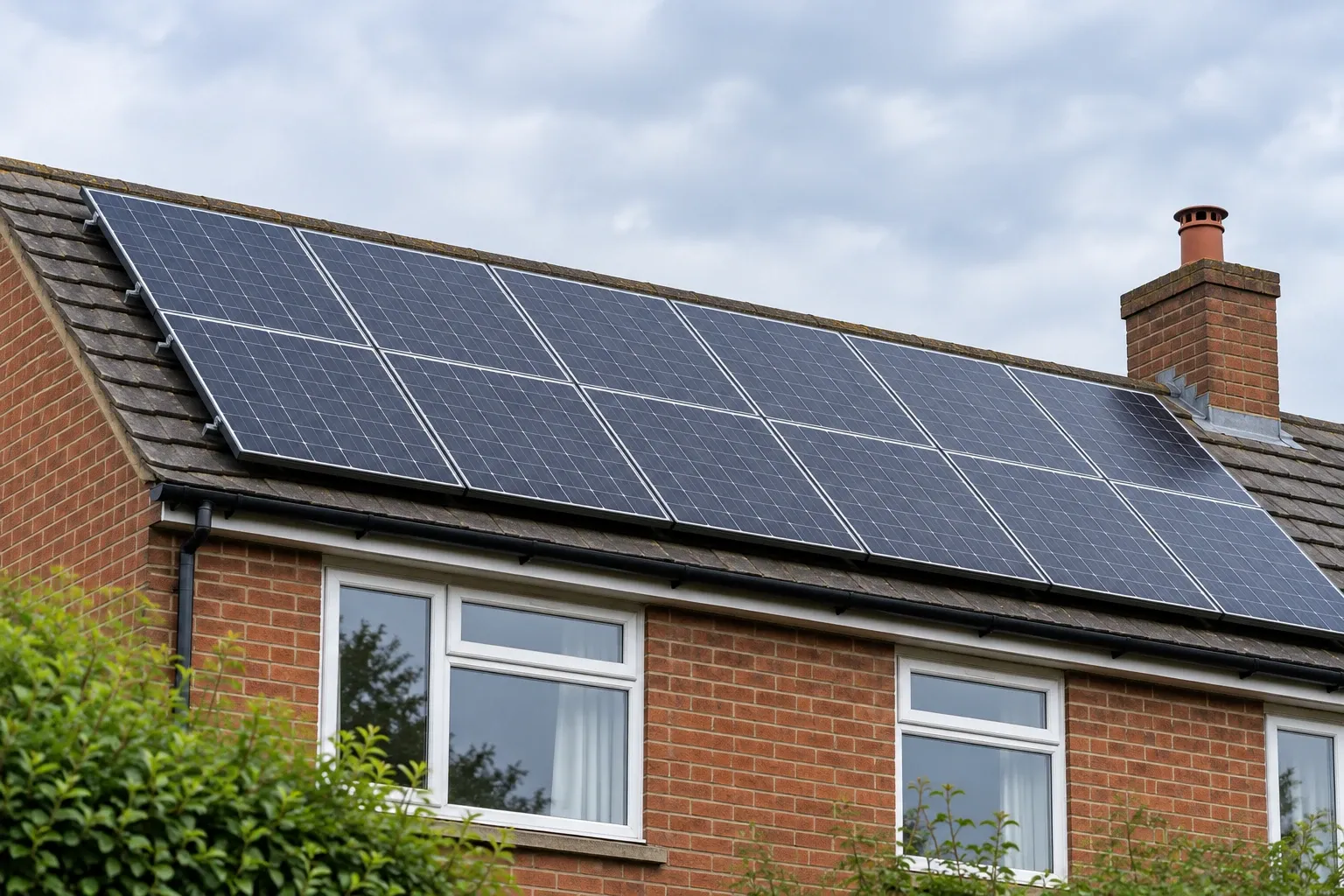
For a business, solar panels are part of the building’s electrical installation as well as an energy asset. A maintenance visit should therefore do more than wash the modules: it should check the system’s condition, review how it is performing and deal safely with roof access and electrical hazards. The right scope depends on the equipment, site conditions, warranties and the records you already have.
What should a solar panel maintenance service cover?
Start by giving the provider the system’s handover pack, equipment list, previous service reports and any monitoring data. A clear scope should identify the panels, mounting system, inverter, isolators, visible cabling and any battery or monitoring equipment included. The provider should state which items will be inspected, tested, cleaned or excluded, and explain what would trigger a repair recommendation.
A useful visit typically considers:
- Modules and mounting: visible cracks, impact damage, loose or displaced panels, corrosion, debris and signs of water ingress around roof penetrations.
- Electrical condition: accessible cables, connectors, isolators and inverter condition, with tests appropriate to the system and the worker’s competence.
- Performance: inverter status, monitoring alerts and generation data, compared with a meaningful baseline while taking account of weather, season and shading.
- Site condition: roof condition, drainage, vegetation, bird activity and any change that could affect access or safe operation.
- Records and next steps: findings, photographs where useful, test results, urgent defects, recommended repairs and a clear distinction between included work and additional charges.
The report matters as much as the visit. Ask for specific findings rather than a generic “passed” note, and for any urgent electrical or structural concern to be escalated promptly. A service report can also help you plan maintenance across the building; the wider principles of setting up planned maintenance apply to solar equipment as well as other building assets.
How do you choose between cleaning, inspection and a full service?
These are different tasks. Cleaning removes surface soiling; a visual inspection looks for visible defects; a full service may also include electrical checks, inverter review and performance assessment. Don’t assume that a cleaning visit includes testing, or that a general electrical inspection has examined every panel and mounting point. Ask what the quoted scope actually covers.
Cleaning is worth considering when deposits are visible or monitoring suggests a persistent fall in generation that cannot be explained by weather, seasonal variation, shading or equipment faults. In its general consumer guidance, Energy Saving Trust’s solar maintenance checklist suggests inspecting panels, mounting and visible wiring every one to two years, and considering a professional service every three to five years. Those are useful planning reference points, not a legal timetable for every commercial installation; check the system’s own documentation and warranty conditions.
The same guidance says inverters typically need replacement every 10 to 15 years and gives about £800 as an indicative replacement cost. These are broad consumer figures, not a commercial quote: the equipment, access, system design and labour can change the actual cost. Ask the provider to identify the failing component, explain whether repair or replacement is proposed and separate parts, labour, access equipment and testing in the estimate. Solar panels themselves may last 25 years or more, according to Energy Saving Trust, but that does not mean every component has the same lifespan.
A cleaner may be appropriate for a straightforward, safe cleaning job. A solar PV specialist is more suitable when monitoring shows a fault, the inverter displays an error, wiring or mounting damage is suspected, or electrical testing is required. For electrical issues, establish who will carry out the work and what competence and test documentation the task requires. Your existing fire alarm maintenance arrangements are another example of why a service scope should state exactly which checks and records are included, rather than relying on a broad service label; see fire alarm service checks.
What safety and site arrangements should you agree?
Roof access is a major part of the job, not an administrative detail. Before booking, tell the provider about roof type, roof lights, fragile areas, access restrictions, nearby plant, operating hours and any site-specific induction or permit requirements. Agree who controls access, how work areas will be separated from staff and visitors, and what happens if weather or roof conditions make the work unsafe.
The Health and Safety Executive says roof work must be organised and planned safely, and highlights safe access, roof edges and fragile surfaces as key issues. Its guidance on planning roof work also says those doing the work must be trained, competent and instructed in the precautions required. Ask the provider to explain the proposed access method and controls, including how roof lights and other fragile surfaces will be avoided or protected. Do not treat a quick visit as risk-free simply because it is short.
Agree electrical boundaries before work begins. Panels can generate electricity when exposed to light, so washing or visual access does not itself make the system electrically safe. The provider should explain which parts of the system will be touched, whether any isolation or shutdown is needed, who is authorised to carry it out and how the system will be returned to service. If the work may affect normal operations, coordinate timing and communicate any interruption to relevant staff.
The HSE’s maintenance guidance emphasises planning, clear information and competent people, especially where work takes place at height or contractors are unfamiliar with the site. Apply that approach by agreeing a point of contact, access arrangements, work boundaries and emergency procedures in advance. If the proposed controls are unclear, pause and ask for the method to be explained before granting access.
How can you compare providers and service terms?
Compare like with like rather than choosing on the service name or headline price. Ask each provider to confirm:
- which system components are included and which are excluded;
- whether the visit includes cleaning, inspection, electrical testing, monitoring review or all of these;
- what access equipment and safety arrangements are included in the price;
- whether reactive repairs, replacement parts and return visits cost extra;
- what report and test records you will receive, and when;
- how urgent faults will be reported and how non-urgent recommendations will be prioritised;
- whether the work affects any installer, product or performance warranty.
Check that the proposed service matches the system’s make and configuration, especially if it includes batteries, multiple inverters or monitoring equipment. Ask for relevant experience with comparable installations and who will perform each part of the work. If another firm installed the system, check whether it has ongoing warranty or service obligations and whether using another provider changes any terms. Keep warranties and handover documents available rather than relying on verbal assurances.
For a multi-year service agreement, define the visit schedule by reference to the system documents and your risk assessment, not an unsupported universal interval. State how the provider will notify you of changed conditions, faults or recommended extra work. Make sure you retain the right to review and approve additional repairs before they proceed, except where you have separately authorised an emergency response.
How do you put the service into practice and check the result?
Before the first visit, record recent generation data, existing alarms, known defects and the system’s normal operating status. Give the provider the access information and arrange any site induction. Agree a contact who can answer questions and receive immediate notifications. If generation is monitored online, confirm who has access and how the provider will distinguish a system fault from an interruption in monitoring or communications.
After the visit, check that the report identifies the equipment inspected and records test results, observed defects and completed work. Review photographs or measurements against the initial condition where available. Confirm that any shutdown was reversed, the inverter is operating normally and monitoring has resumed. A defect left open should have an owner, an agreed next action and a target date set by your business; do not treat a recommendation as resolved merely because it appears in a report.
Track generation over time, but compare like periods and consider weather, shading and seasonal changes before concluding that maintenance improved or reduced output. Record cleaning, repairs, replacements and faults alongside the monitoring data. This gives facilities and operations managers a practical basis for deciding whether the next visit should be a routine inspection, targeted repair or a more extensive service, while keeping the evidence needed for future warranty and maintenance decisions.
Frequently asked questions
How often should a business arrange solar panel maintenance?
There is no single interval that suits every commercial system. Use the manufacturer’s instructions, installer handover documents, warranty terms, system monitoring and a site risk assessment to set the schedule. Energy Saving Trust suggests visual checks every one to two years and a professional service every three to five years in its general guidance; treat those as reference points, not a fixed legal interval for every business.
Can staff clean commercial solar panels themselves?
Staff can monitor generation and report visible issues from a safe location, but should not access a roof or handle electrical components unless they are competent and the work has been properly planned. Roof access brings fall and fragile-surface risks, while PV equipment can remain electrically live in daylight. Where cleaning is needed, assess access, equipment, weather and isolation arrangements before deciding who can do it safely.
Does rain mean solar panels never need cleaning?
Not necessarily. Rain can wash away some surface dirt, but bird droppings, leaves, dust or other deposits may remain, particularly where the site environment encourages build-up. Check the panels safely from the ground and compare system output with expected or historical performance before arranging cleaning. Avoid treating a clean as automatically worthwhile: first establish whether soiling is likely to be affecting the system.
What should I do if the inverter shows a fault?
Record the warning or error code and the time it appeared, then check the operator manual and monitoring portal for the recommended reporting process. Do not open the inverter, disconnect wiring or attempt a repair unless you are competent and authorised to do that work. Contact the installer, manufacturer or an appropriately competent solar electrical specialist, and ask for the diagnosis and any replacement recommendation in writing.
In this section Maintenance